Category Archives: Guest Post

Found In The Stacks: “Reports of Cases in the Superior Court of Connection 1785-1788” by Ephraim Kirby

By Bill Bucklin

Ephraim Kirby must have been a fascinating person to have a drink with during his service as a lawyer in Litchfield in the 1780s and 1790s.

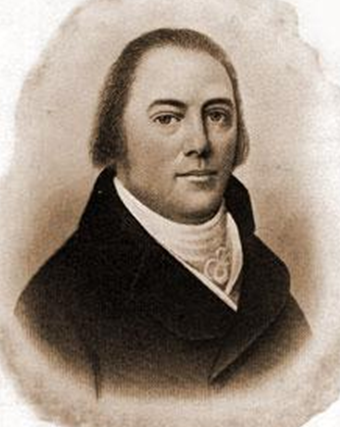
Ephraim Kirby

Born in Woodbury, Kirby volunteered for Revolutionary War service just after the battle of Lexington and was wounded thirteen times. After the war he attended Yale University, leaving without a degree. After apprenticing to become a lawyer  he was admitted to the bar and settled in Litchfield. Kirby’s son attended Tapping Reeve’s famous law school, where Reeve was teaching students to transpose English common law for the needs of America’s emerging legal system.

Kirby recognized the need for a written record of court decisions and began to compile any reports he could find. When the Connecticut legislature passed a law in 1785 requiring judges to prepare their decisions in writing, Kirby realized he had struck legal gold. Kirby spent three and a half years in a different form of service to his country, collecting every single Superior Court case report.

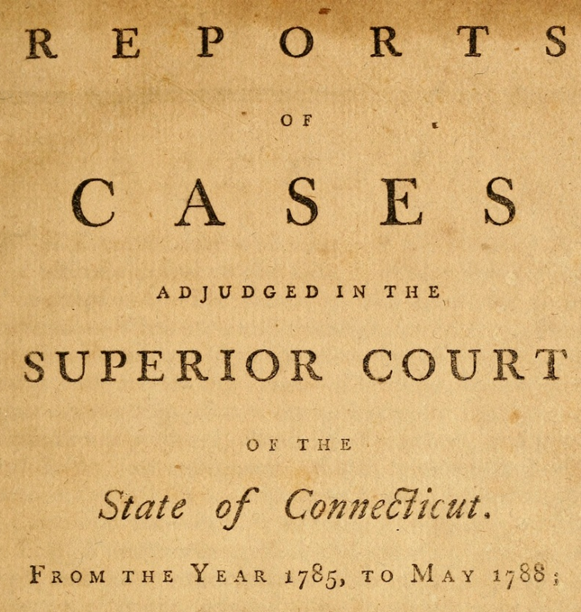
Reports of Cases Adjudged in the Superior Court of the State of Connecticut, from the year 1785, to May, 1788.

In 1789 Kirby visited Thomas Collier, Litchfield’s first printer, and left him with the manuscript of Reports of Cases Adjudged in the Superior Court of the State of Connecticut, from the year 1785, to May, 1788. Collier set the 425 pages of type, and in 1789 America’s first-ever volume of law reports was published.

Recognizing the volume’s significance, the Connecticut legislature ordered 350 copies which were sent to all Connecticut towns. It’s easy to imagine Tapping Reeve’s delight at adding this treasured volume to the Litchfield Law School’s expanding law library.

Found In The Stacks: “The Lady of the Lighthouse” by Helen Smith Woodruff

Written by Bill Bucklin

When you think of famous authors from Litchfield, CT, of course Harriet Beecher Stowe comes to mind. The works of a second Litchfield author, once famous, also reside in the stacks of the Litchfield Historical Society. Helen Smith Woodruff wrote 11 novels between 1912 and 1921, some of them completed while summering in Litchfield with her husband Lewis B. Woodruff of New York City, descendant of one of Litchfield’s founding families.

Helen Smith Woodruff was a society woman with a remarkable social consciousness. After undergoing a short period of blindness from scarlet fever she wrote the novel The Lady of the Lighthouse, published in 1913. The lighthouse in the title is misleading, because Woodruff’s focus is on the main character’s mission to brighten the world of a young blind boy in New York City, one of many blind children at a rehab facility known as the Lighthouse. Woodruff donated the proceeds of all her books to charity. The $300,000 in royalties from The Lady of the Lighthouse went to the New York Association for the Blind, the equivalent of ten million dollars today.

Helen Smith Woodruff

Helen Smith Woodruff died in New York City in 1924 as the result of a fall from a second-story window in her New York home after a long period of illness at the age of only 36 (https://encyclopediaofalabama.org/article/helen-smith-woodruff/). One imagines summers in Litchfield were darker without her.

Grandma Gus Exercises her Rights

Contributed by Rev. Dr. Davida Foy Crabtree

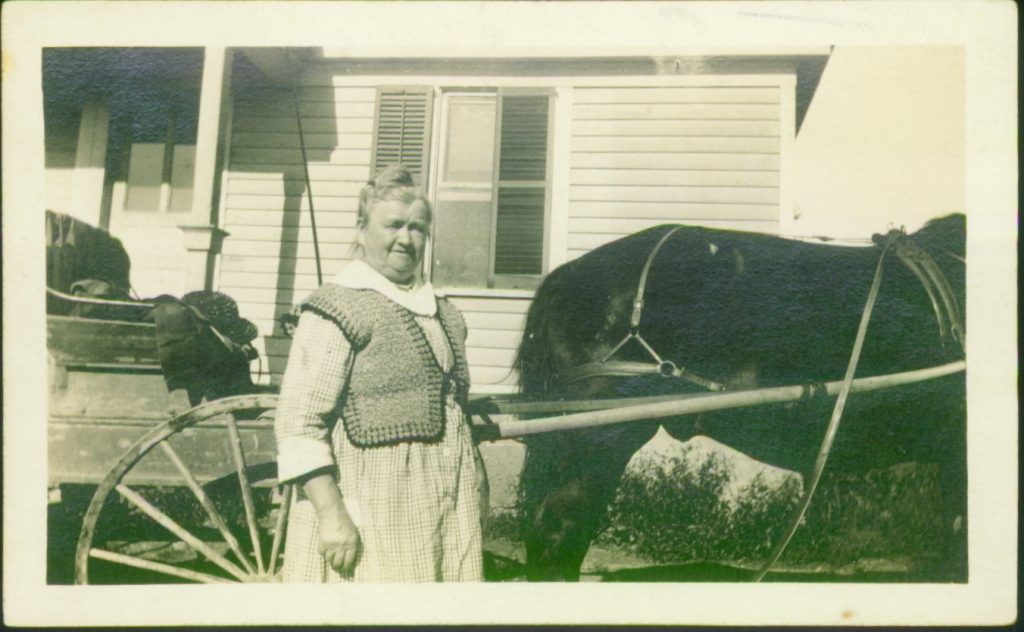
“Grandma Gus” Christina Nilsson Gustafson

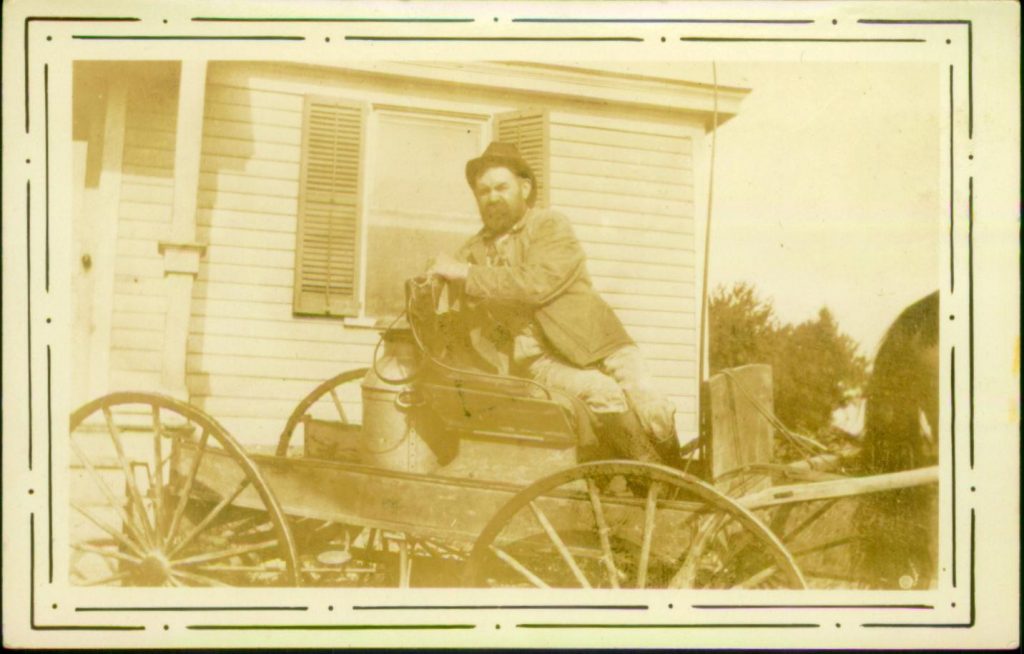
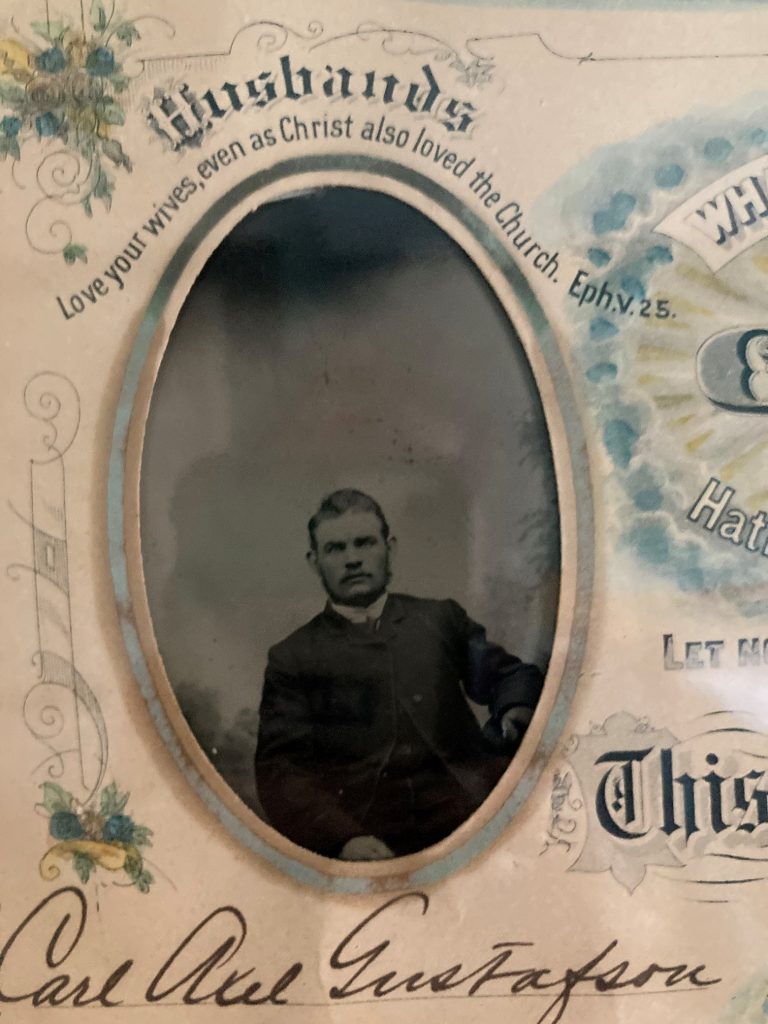
In the early 1880’s my great grandparents, Christina Nilsson and Carl Axel Gustafson immigrated to America from the region around Vasterutland, Sweden. In 1885 they were married and started their family. They had a farm in the vicinity of Litchfield but its exact location is lost to memory. Grandpa Gus was always described to me as a huge Viking of a man with a big red beard and Grandma as a tiny woman who loved life. Their lives as hardscrabble farmers weren’t easy.

“Grandpa Gus” Carl Axel Gustafson

When women got the vote in 1920, and the time came for Grandma Gus to register to vote, Grandpa absolutely forbade it. I’m not sure how he didn’t know this about her but Christina Nilsson was a very determined woman. So on the appointed day, at lunchtime when Grandpa came in from the farm, she kept his beer glass full the whole time. That ensured that he would take a good long nap. And it had to be a long one because it was a long way to town. She hitched the horse to the wagon, and quietly headed out on the farm road. Family lore has it that by the time she returned from town, the horse was pretty tired from the speed she demanded of it. Grandma Gus got home just 15 minutes before Grandpa woke up. He may have forbidden her, but nevertheless she persisted!

I discovered one of my mother’s birthday calendars and glanced through. There was an entry saying Grandma Gus died February 18, 1931 at age 73, which means she was born in 1858. She and Carl Axel married when she was 46 in 1885. So her determination to vote came when she was 62 years old! So the photo of above with the wagon might actually have been taken close to the time of this incident.

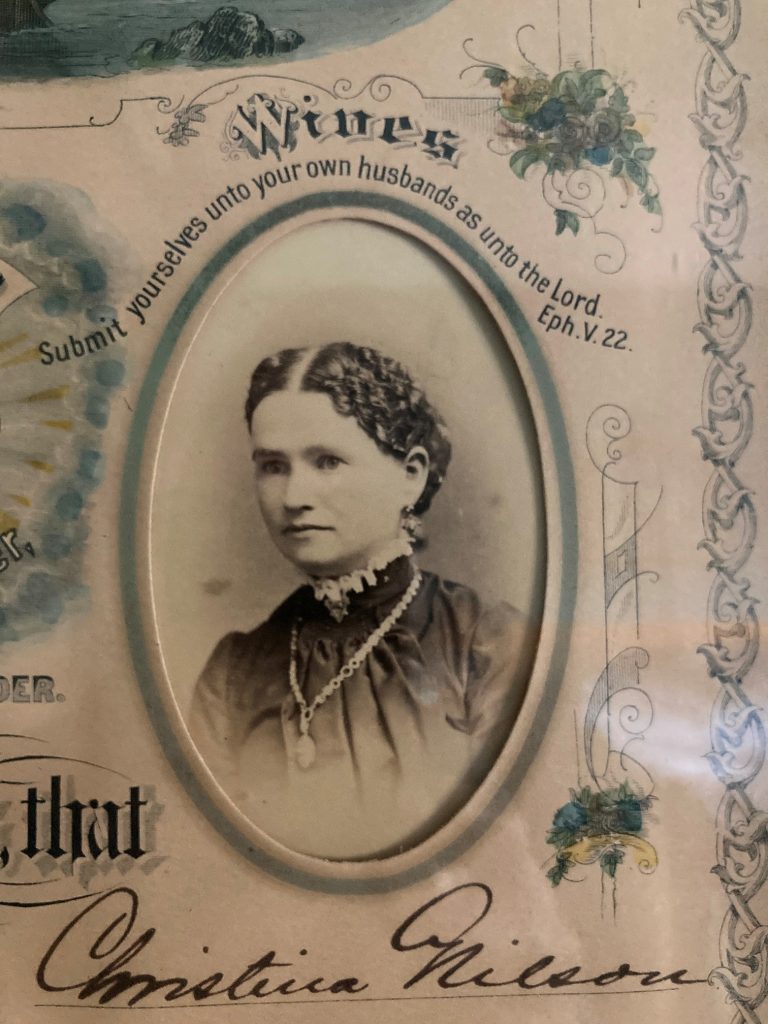
“Grandma & Grandpa Gus” tintypes from their marriage license.

A “Hare-Brained Scheme”: Prosecuting Tapping Reeve

Contributed by Bob Goodhouse

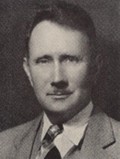
A grand jury indicted Tapping Reeve, founder of America’s first Law School and an esteemed Connecticut Superior Court Judge, for seditious libel against the United States and President Thomas Jefferson in the April 1806 New Haven Circuit Court.

The charge was based on an article Judge Reeve, an ardent Federalist, had sent to Litchfield’s The Monitor newspaper more than four years earlier, on December 2, 1801, in which Reeve had heatedly declared Jefferson’s violation of the U.S. Constitution, which he passionately insisted was now “marked for destruction.”

Continue reading

Sylvia Stocker: The Enslaved Woman who Started a Town Library

Contributed by Dan Keefe with Bob Goodhouse

Twenty-six slaves are listed in Litchfield’s 1790 census including Sylvia Stocker, one of two people enslaved by Isaac Baldwin, Sr. Like all other slaves, she is recorded by number, not by name. In 1805, when Sylvia was 33, Baldwin’s heirs petitioned the Town Selectmen for her freedom and received their approval. Sylvia lived to be 64, and her will is recorded in Litchfield’s town records. Remarkably, she left her small library to the Town Selectmen for use by the poor.   

Continue reading